
Summary
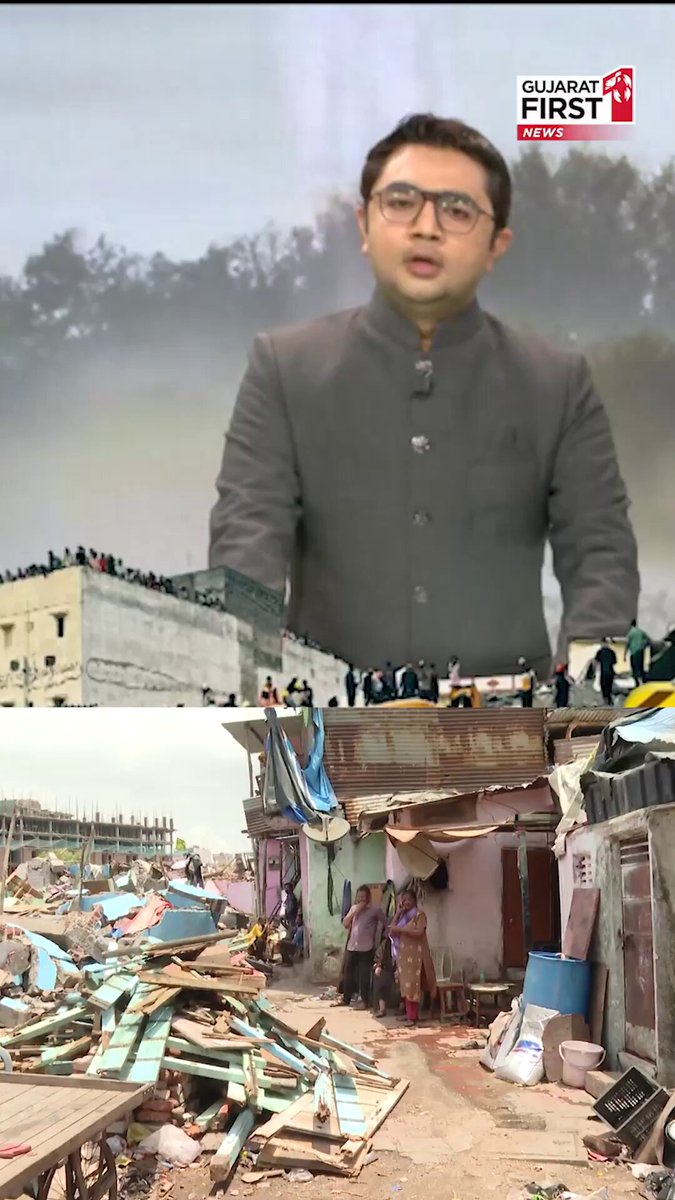
In Surat, the demolition of 100 houses has sparked controversy as the Surat Municipal Corporation (SMC) denies involvement, despite claims from locals that municipal engineers and high-ranking police officers were present during the demolitions. Twelve days post-incident, the SMC still has not clarified who was responsible for the actions, leaving affected residents in uncertainty and frustration.
Background of the Demolition
The demolition of houses in Nasirnagar slums has triggered significant backlash from local residents. In a desperate attempt to seek accountability, those affected have approached the Surat Municipal Corporation, demanding alternative housing arrangements. However, they were met with a denial from the SMC, which asserts that they were not the agency behind the demolitions. This situation raises pressing questions regarding the authority and responsibility of local governing bodies in such sensitive cases.
Residents report that the demolitions took place under the watchful eyes of both police and municipal engineers, which contradicts the SMC’s claim of non-involvement. The presence of these officials during the demolitions suggests a coordinated effort, leading many to speculate that higher authorities could be involved in the actions taken against these homes. The lack of a clear explanation from the SMC serves to amplify the confusion and anger among the displaced residents.
The Response from Local Authorities
In light of the uproar, Surat police have stated that they had received necessary documentation from the Surat Municipal Corporation to provide security during the demolitions. This assertion leads to further speculation about the collaboration between police and municipal authorities in executing the demolitions. Given the police’s acknowledgment of their role in maintaining order during a government-sanctioned action, questions of accountability remain unresolved.
This incident is a reflection of the complexities involved when municipal actions intersect with law enforcement operations. Without a transparent dialogue or clarification from the involved parties, residents are left feeling abandoned and without recourse.
Political Implications
The incident highlights a significant issue in Indian urban governance: the clash between urban renewal initiatives and the rights of low-income residents. Demolitions like these are often justified in the name of development and urban planning; however, they disproportionately affect marginalized communities. As urban areas expand, the need for affordable housing and proper relocation plans becomes increasingly critical.
This incident could have wider electoral repercussions, as political parties may use the dissatisfaction among the affected communities to bolster their platforms against the ruling administration. It could also signal a shift in public sentiment regarding how local governments handle housing rights and accountability.
As citizens rally for justice, the issue of who bears the burden of urban planning decisions in India is brought to the forefront. This case may serve as a catalyst for broader discussions on housing rights and the responsibilities of local governing bodies in ensuring the welfare of their constituencies.
Why This Matters
The ongoing situation in Surat is emblematic of the broader challenges faced by urban areas in India, where rapid development often overlooks the needs of vulnerable populations. This case not only reflects local governance issues but also signifies a political flashpoint that could influence public opinion and future policies regarding land use and housing rights.
Residents’ rights to housing are being tested, and how this situation unfolds could set a precedent for future actions by municipal corporations across the country. It also highlights the necessity for transparency and accountability in government actions, ensuring that citizens feel heard and protected in the face of such drastic measures.
Frequently Asked Questions
What triggered the demolition of houses in Surat?
The Surat Municipal Corporation has not disclosed the reasons for the demolitions, leading to speculation that it may be part of broader urban renewal or development plans.
Who is responsible for the demolitions according to local residents?
According to locals, the demolitions were carried out in the presence of Surat Municipal Corporation engineers and high-ranking police officials, suggesting coordinated action.
How has the Surat Municipal Corporation responded to the claims of involvement in the demolitions?
The Surat Municipal Corporation has denied any involvement, stating that they did not demolish the houses.
What are the implications of this incident for the residents?
The implications include potential displacement and insecurity for the residents, as well as raising broader concerns about housing rights and government accountability in urban governance.