
The Delhi government’s new electric vehicle (EV) policy is expected to place significant emphasis on boosting public charging infrastructure and advancing research and development, officials stated on Tuesday.
The upcoming EV Policy 2.0, which is currently being finalised, includes a recommendation to drastically increase R and D funding from Rs 5 crore to Rs 100 crore to foster a more robust electric vehicle ecosystem in the city.
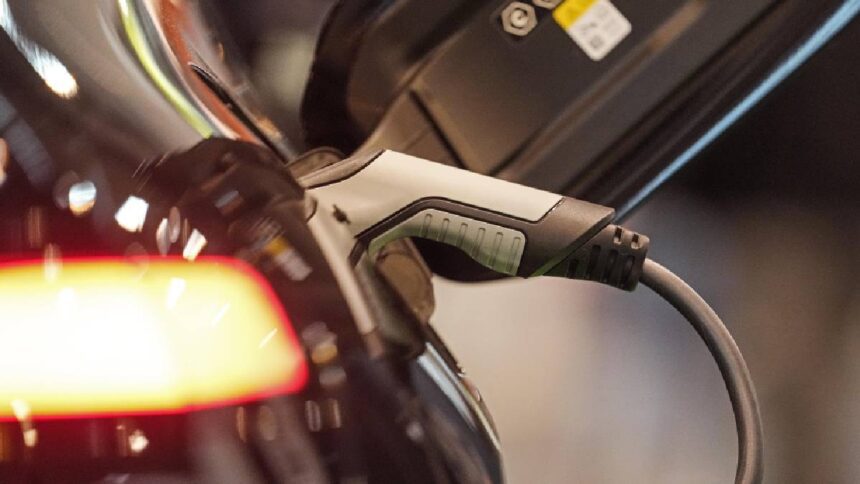
Another key proposal for the updated policy is the strengthening of public charging infrastructure. This includes the establishment of 1,000 charging stations, with an allocated incentive of Rs 15 lakh per station.
Currently, the government has extended the existing EV policy until March next year. Once it receives Cabinet approval, EV Policy 2.0 is slated for implementation starting in the next financial year.
Extensive network of battery-swapping
Under the new regime, the government also proposes setting up an extensive network of battery-swapping stations at 1,000 locations, with each unit receiving an incentive of Rs 6 lakh. Furthermore, recommendations include the installation of 15,000 AC charging points and 2,000 DC charging points, supported by a total outlay of Rs 8 crore.
Retrofitting remains a major focus
Retrofitting remains a major focus of the new policy. The government aims to facilitate 50,000 retrofits, converting conventional internal combustion engine (ICE) vehicles into electric cars, with a dedicated outlay of Rs 5 crore. Converting a conventional vehicle into an EV requires extensive modifications, including the installation of an electric motor and battery packs.
Delhi Chief Minister Rekha Gupta previously noted that a comprehensive framework for EV Policy 2.0 has been prepared and will likely roll out next year. She emphasized that the government is focusing on financial incentives, expanding charging infrastructure, and removing highly polluting vehicles from the roads to lower pollution levels and ensure seamless EV adoption.
New policy to provide adequate subsidies
The Chief Minister also stated that the new policy will provide adequate subsidies to bridge the price gap between electric vehicles and their petrol or diesel counterparts. Under the current policy, road tax and registration fees for EVs are already exempt.
Scrappage incentive
Additionally, the new policy is expected to introduce a scrappage incentive scheme, providing financial support to vehicle owners who choose to scrap their old vehicles in favor of purchasing an EV. Public charging points will be strategically installed at major public landmarks and near residential colonies, alongside facilities for battery swapping and the scientific disposal of old batteries.
ALSO READ: Tata and Mahindra rule in South Africa: Half of all cars sold have an Indian connection