Saudi Arabia recently conducted targeted airstrikes on Yemen’s Mukalla port in Hadramout governorate, heightening tensions with its longstanding ally, the United Arab Emirates (UAE). The Saudi government accused Abu Dhabi of facilitating the unloading of weapons and armored vehicles and exerting pressure on the Southern Transitional Council (STC) to conduct military operations near Saudi Arabia’s southern borders, particularly in Hadramout and Al-Mahra. Riyadh characterized these actions as a serious threat to national security and regional stability, claims firmly rejected by the UAE.
What Happened in Mukalla?
Saudi authorities announced that coalition forces executed “limited military operations” aimed at targeting weapons and combat vehicles that had been unloaded at Mukalla port. According to Saudi officials, two ships had arrived from Fujairah in the UAE without authorization from the Coalition Joint Forces Command, disabling their tracking systems and unloading significant quantities of armaments and military vehicles. The Saudi coalition asserted that the shipment aimed to support the UAE-backed STC, a separatist force looking for autonomous governance in southern Yemen, describing the weapons as posing an “imminent threat” to regional stability.
Why Did Saudi Arabia Call It a “Red Line”?
In a formal statement, the Saudi Ministry of Foreign Affairs expressed deep disappointment regarding the UAE’s actions, accusing it of pressuring STC forces to undertake military operations near Saudi borders. The Ministry emphasized that such actions are considered a red line regarding national security and regional stability. Saudi Arabia asserted it would take “all necessary steps and measures” to counter any threats.
Yemen’s Government Response
In response to these escalating tensions, Yemen’s internationally recognized government, which is supported by Saudi Arabia, declared a state of emergency and imposed a temporary blockade. The head of Yemen’s Presidential Leadership Council, Rashad al-Alimi, demanded the withdrawal of all UAE forces from Yemen within 24 hours. The Saudi government echoed this request and mandated an immediate halt to any military or financial aid from the UAE to factions within Yemen. Authorities also put in place a ban on border crossings and regulated airport and port access, permitting only those approved by Saudi Arabia.
Alimi confirmed that the Joint Forces Command of the Coalition had indicated the UAE’s shipment involved two vessels filled with military supplies intended for the STC, describing the move as “an escalatory step” undermining the security and stability of Hadramout and Al-Mahra. He stated that, while acknowledging the UAE’s previous role in supporting legitimacy in Yemen, its actions now conflict with the interests of the Yemeni people.
UAE’s Rejection of Allegations
The UAE foreign ministry swiftly dismissed the claims of exacerbating the war in Yemen, stating that the Saudi coalition’s announcement was made without prior consultation with them. The UAE asserted that the deliveries did not contain any weapons and that the armored vehicles were for Emirati forces operating in Yemen, insisting that these actions were coordinated with Saudi Arabia to prevent any vehicles from exiting the port.
The Role of the Southern Transitional Council
The STC is a prominent political and military faction in southern Yemen, supported significantly by the UAE. Established in 2017, the STC represents groups advocating for an independent South Yemen, which existed as a sovereign state before its unification with North Yemen in 1990. In recent months, the STC has consolidated control in southern Yemen, which it views as essential for any forthcoming negotiations regarding the conflict.
The STC has effectively controlled significant portions of southern Yemen, including key strategic locations, under a Saudi-backed coalition arrangement. Opposing STC forces include members of the Yemeni military loyal to the recognized government, allied with the Hadramout Tribal Alliance, a local entity supported by Saudi Arabia.
Importance of Mukalla
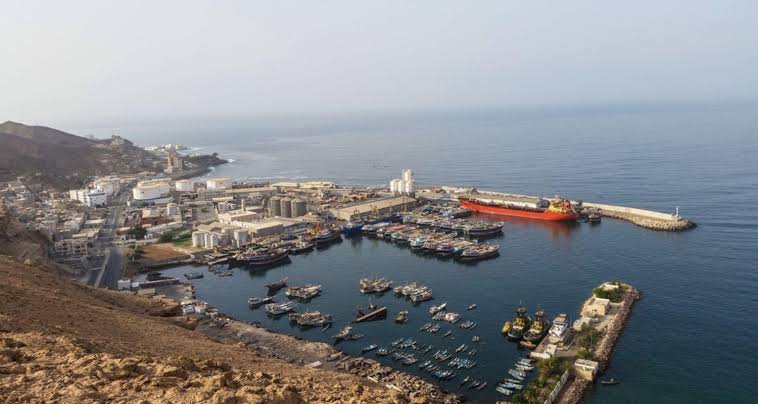
Mukalla, located in Hadramout, approximately 480 km northeast of Aden, serves as a crucial trade and military logistics port, influencing maritime routes between the Red Sea and the Indian Ocean. Saudi officials claimed that surveillance footage indicated the movement of armored vehicles from the ships at Mukalla to other staging areas inland, reinforcing their assertions regarding the nature of the shipment.
On December 30, the strikes were particularly symbolic as they coincided with the anniversary of similar airstrikes in 2015, which resulted in civilian casualties and damage to infrastructure in various Yemeni governorates. The UN envoy monitored developments in Hadramout and Al-Mahra, calling for de-escalation and urging all parties to avoid actions complicating the situation further.
Tags: Why Saudi Arabia launched airstrikes on Yemen’s Mukalla port? Extract 5 SEO-friendly keywords as tags. Output only keywords, comma separated.
Hashtags: #Saudi #Arabia #launched #airstrikes #Yemens #Mukalla #port