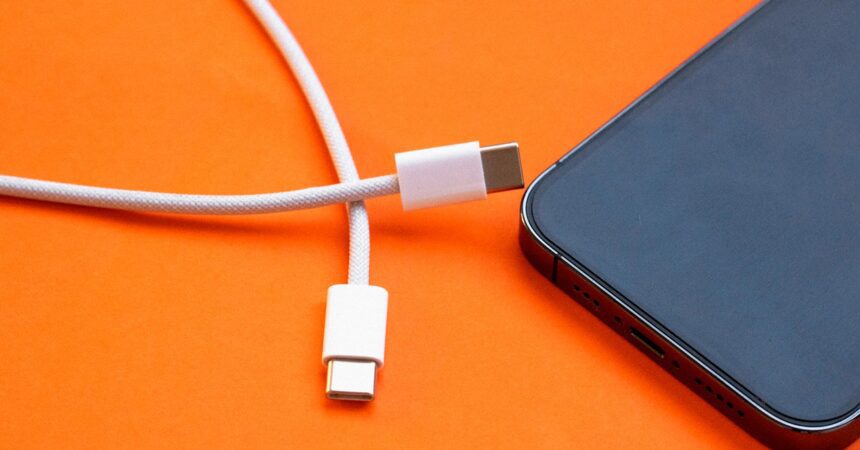

The EU’s Common Charger Directive: A Game-Changer for Electronic Devices
In a significant policy shift that aims to simplify the charging of electronic devices, the European Union (EU) has enacted the Common Charger Directive, officially coming into effect on December 28, 2024. This directive mandates that most portable electronic devices sold in the EU must now feature a USB-C port for charging, bringing an end to the era of proprietary charging solutions and reducing electronic waste. Here, we’ll delve into the implications of this requirement, its impact on tech companies, and the overall landscape of consumer electronics in the EU.
What Is the Common Charger Directive?
The Common Charger Directive seeks to standardize the way we charge our devices. Specifically, it compels all “radio equipment” that can be recharged via wired means and comes with a rechargeable battery to be equipped with a USB-C receptacle. This covers a wide range of electronic devices, including smartphones, tablets, handheld gaming consoles, and wireless headphones. Only laptops have been given a grace period until April 2026 to comply.
Key Features of the Directive
-
USB-C Mandate: From December 28, 2024, devices sold within the EU must have a USB-C port for charging, significantly reducing the variety of charging cables and adapters needed by consumers.
-
Fast Charging Regulations: Devices that support fast charging, defined as drawing more than 5 volts, 3 amperes, or 15 watts, must adhere to the USB Power Delivery (USB PD) standard. This ensures compatibility and efficient power negotiation with any USB PD charger.
-
Labeling Requirements: Packaging for electronic devices will need to indicate whether they include a charging plug or mid-cord brick, along with the device’s power requirements and USB PD compatibility.
- Exceptions: The directive provides exemptions for non-rechargeable battery devices, wireless charging-only devices, and those that are embedded within cases or boxes. This means that while most gadgets will need a USB-C port, some older devices and specific categories will be exempt.
Impact on Major Tech Players
Shift for Apple and Others
The most notable impact of the Common Charger Directive is on Apple, a company known for its proprietary Lightning connector. In light of the new regulations, Apple has begun shifting its product line to align with the USB-C standard. This includes the introduction of products such as new iMac models, which come equipped with USB-C-enabled peripherals, and the discontinuation of Lightning-charging iPhones like the iPhone 14 and iPhone SE in the EU.
As the directive forces companies to pivot their design philosophies, many are likely to rethink how they approach charging technologies and compatibility across global markets.
Concerns About Innovation
Critics of the directive argue that mandating USB-C could stifle innovation, particularly among companies that are developing advanced charging technologies. They fear that focusing on one standard may limit the exploration of alternative charging methods, such as future USB standards (like a potential USB-D) or entirely new technologies.
However, the directive’s text addresses many of these concerns by allowing secondary power plugs and programs that encourage innovation beyond USB-C, ensuring that developers are still free to create new solutions without being tethered to a single standard.
Electronic Waste and Environmental Concerns
One of the driving forces behind the Common Charger Directive is the quest to reduce electronic waste and consumer confusion caused by differing charger types. Prior to this directive, a significant portion of electronic waste was generated by discarded chargers and cables. By standardizing charging methods, the EU aims to mitigate this problem, encouraging consumers to use fewer charging devices and ultimately reducing landfill contributions.
Future Perspectives
Implementation and enforcement of the Common Charger Directive rest with member nations of the EU. Many are now examining how best to align their regulations, which could lead to variance in adherence. Furthermore, there’s a question of how major corporations will adjust their global product lines; will they choose to develop separate devices for the EU market, or will they adopt the USB-C standard universally?
As we move into this new era, it remains to be seen how successfully the EU can harmonize charging solutions across its member states, but the intent to simplify consumer experiences and reduce electronic waste is clear.
Conclusion
The Common Charger Directive marks a pivotal moment in the consumer electronics landscape. As standardized charging solutions become the norm, both consumers and manufacturers can expect a marked reduction in confusion, waste, and the nuisance of carrying multiple chargers for different devices. While the road ahead may have its share of challenges—particularly in the wake of rapid technological advancement—the overarching goal of a unified charging ecosystem will likely benefit consumers and the environment alike.
As the world continues to innovate, and as new technologies emerge, regulatory frameworks such as the Common Charger Directive will be crucial in ensuring that progress does not come at the cost of sustainability or consumer convenience. Let’s keep an eye on how this directive evolves and influences international practices in the years to come.