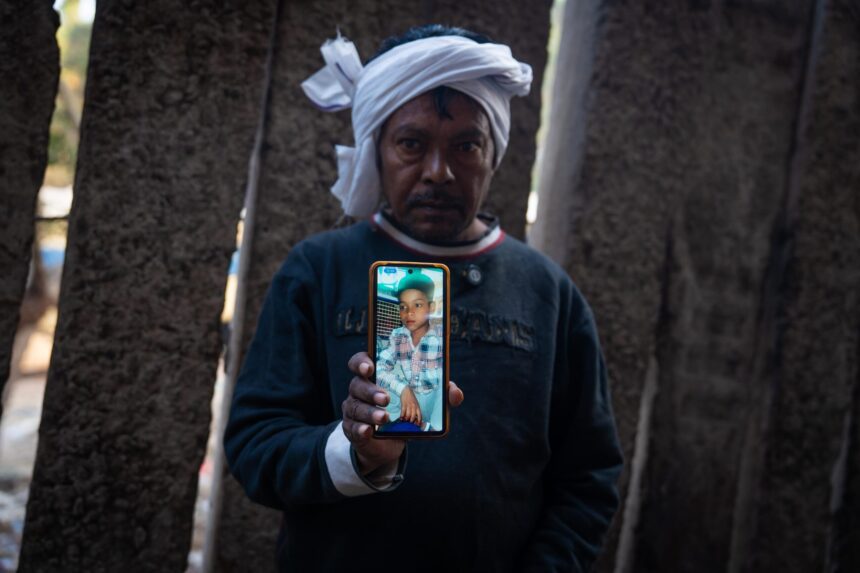
On November 29, 14-year-old Sahil Ansari was fatally shot shortly after finishing a long day at the family grocery store, located in Mansarovar Park, New Delhi. His father, Sirajuddin Ansari, who is currently paralyzed, and his mother, Nisha, had migrated from Jharkhand in search of better opportunities.
Sahil had been working long hours at the grocery shop and had dropped out of school to support his family. On this particular evening, he stopped to buy a chocolate and joined local children chasing a wedding procession where ₹500 notes, later discovered to be fake, were being thrown.
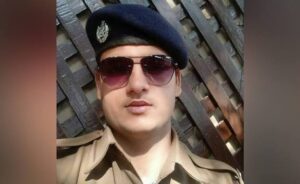
Witnesses report that a man from the procession accused Sahil of “gate-crashing” and attempted to confiscate the money. The confrontation rapidly escalated when CISF constable Madan Kumar Tiwari, who was off-duty and attending a relative’s wedding, slapped the boy and subsequently shot him after the altercation reached a boiling point.
“It was after the slap that he shot him,” confirmed a witness. “He even fired at us when we tried to run.” The bullet struck Sahil near his ear, and after local residents called the police, his family arrived to find that he had already succumbed to his injuries at GTB Hospital.
Nisha recounted the last day Sahil spent at home with precision, detailing that he left at 7 a.m., returned for lunch at 1 p.m., and came home around 9 p.m. “He had just finished work. That’s all,” she said, reflecting on her son’s demanding routine.
This incident raises serious questions about the nature of the confrontation. Sahil was not a typical child who might be accused of loitering; he was essential to the financial survival of his family. Sirajuddin expressed his disbelief that police initially described the incident as a “minor scuffle” at a wedding. “The person was drunk,” he said. “He took out the pistol and shot my child in the head.”
His mother added, “If they thought he was a thief, there is a police station right beside. They could have taken him there. Why shoot? My child had no fault.”
Following the shooting, the constable was arrested in Uttar Pradesh and charged with murder, while investigations continue regarding the firearm’s status—whether it was personally owned or service-issued—and the appropriateness of a security force member carrying a weapon to a private event.
Sahil’s friends, aged between 12 and 16, still bear the trauma. Narrating the incident, they recalled the slap, the gun, and the sound of the shot. One friend expressed uncertainty about whether Sahil knew the notes were real or fake.
Nisha described Sahil as an innocent child who would not have fought back, underscoring that he wasn’t the type to exacerbate the situation. “He was so innocent,” she said, rejecting the idea that children’s behavior at weddings could justify violence.
Despite the tragedy, the wedding celebration continued, with music playing and guests unaware of the boy’s death. As police cordoned off the area, Sahil’s body lay lifeless, reminding the family that while he worked relentlessly, they could barely survive.
“I just want justice,” Sirajuddin stated, adding that no police officials had reached out to the family while media representatives took notice of their plight. Grief now fills the home that once resonated with Sahil’s presence, revealing the wider struggles of migrant, impoverished families in seeking justice within a delayed legal system.
Tags: “His life ended in five minutes”: Parents recall night their 14-year-old son was shot dead by CISF constable at Delhi wedding Extract 5 SEO-friendly keywords as tags. Output only keywords, comma separated.
Hashtags: #life #ended #minutes #Parents #recall #night #14yearold #son #shot #dead #CISF #constable #Delhi #wedding